


AI Usage in Indonesia: What the Data Reveals About Adoption, Usage Patterns, and Integration Readiness
06 Jan, 2026
- 18,562 views


2016 - 2026 Copyright @ Graphie.
All Rights Reserved
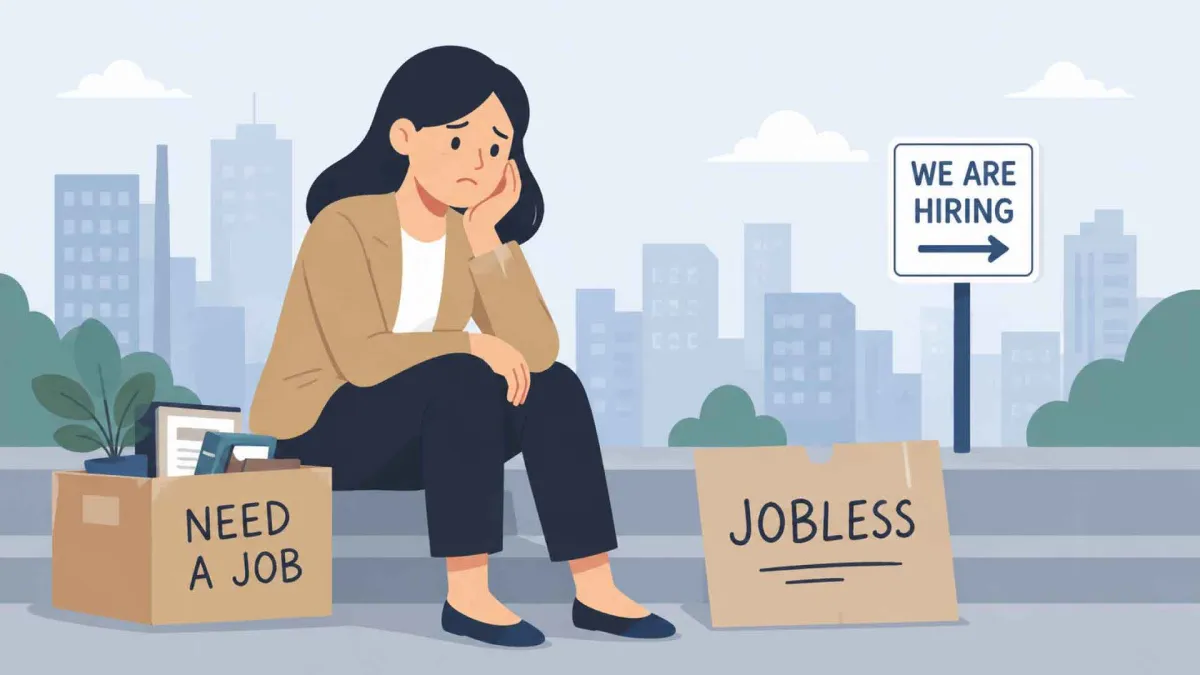
Losing a job is not just about losing an income. There is also the pressure of having to find another source of income quickly, especially when you may not have highly specialized skills that can immediately be sold in the job market. At the same time, more job opportunities now require digital skills, from managing social media to using AI-powered tools. The good news is that not every digital job requires coding, advanced design skills, or years of experience.
If you have recently been laid off, the first goal should not necessarily be finding the “perfect” job. Instead, look for a skill that is relatively easy to learn, can generate income, and has room for growth. Many digital jobs actually require basic skills such as writing, communication, computer literacy, social media familiarity, and a willingness to learn new tools. With the help of digital platforms and AI, some of these skills can be developed gradually within just a few weeks.
Almost every business today needs social media, but not every business owner has the time to manage it themselves. A social media admin is responsible for scheduling posts, uploading content, responding to comments or messages, and keeping social media accounts active.
This job is a good fit for people who are already familiar with Instagram, TikTok, Facebook, or other social platforms. Additional skills such as using Canva, writing simple captions, and understanding basic social media algorithms can be learned along the way. With these skills, you can start offering services to small businesses, online stores, restaurants, or local businesses.
Being a content creator does not necessarily mean becoming an influencer. Many businesses simply need someone who can create photos, short videos, Reels, or TikTok content to promote their products and services.
You do not need a professional camera to get started. A smartphone, decent lighting, a simple editing app, and the ability to develop content ideas can already be enough. AI tools can also help generate content ideas, create draft scripts, and develop different caption variations.
The growth of TikTok, Instagram Reels, YouTube Shorts, and other video platforms has increased the demand for video editors. However, not every editing job requires the skills of a professional film editor.
Many businesses simply need short videos with clean cuts, subtitles, music, simple transitions, and the right format for social media. Tools such as CapCut and other beginner-friendly editing apps can be learned through online tutorials. Once you master the basics, you can gradually move into advertising videos, YouTube content, or branded video production.
Virtual assistance can be a good option for people with basic administrative skills. A virtual assistant may handle tasks such as scheduling appointments, creating spreadsheets, entering data, conducting online research, managing emails, preparing simple reports, or supporting other administrative activities remotely.
The advantage is that many of these skills are already familiar to people with previous office experience. Knowledge of Google Workspace, Microsoft Office, spreadsheets, email communication, and time management can provide a solid starting point.
Data entry may sound simple, but that is exactly what makes it relatively easy to learn. Tasks can include entering information into spreadsheets, transferring data between systems, checking information, or updating databases.
The most important qualities are not advanced technical skills, but accuracy and consistency. Spreadsheet skills such as sorting, filtering, basic formulas, and formatting can make you more competitive than simply being a fast typist.
Many businesses now communicate with customers through WhatsApp, marketplaces, Instagram, live chat, and other digital platforms. This creates demand for customer service representatives who can respond to questions quickly and professionally.
This type of work is suitable for people with good communication skills. Product knowledge can usually be learned after joining a company, while basic skills such as typing, following procedures, solving customer problems, and using communication platforms can be developed relatively quickly.
If you are already familiar with shopping on platforms such as Shopee, Tokopedia, or TikTok Shop, you can look at the same ecosystem from the business side. Marketplace admins help manage product catalogs, pricing, inventory, orders, promotions, and customer communication.
The basic skills are practical and can be learned by experimenting with a simple demo store. Once you understand the fundamentals, you can expand into marketplace advertising, product optimization, sales analysis, and e-commerce management.
Not every design job requires advanced knowledge of Adobe Photoshop or Illustrator. Many businesses simply need basic visual materials such as promotional posters, Instagram posts, marketplace banners, catalogs, menus, or presentations.
Canva makes it much easier for beginners to start learning design. However, knowing how to use Canva does not automatically make someone a good designer. Basic principles such as layout, typography, hierarchy, spacing, and color selection are still important if you want your work to look professional.
The rise of AI is also creating new types of digital work. One example is helping businesses use AI for everyday content-related tasks, such as drafting articles, social media captions, product descriptions, emails, content ideas, or promotional materials.
The valuable skill is not simply knowing how to “use ChatGPT.” The real value comes from knowing how to give clear instructions, evaluate AI-generated results, identify incorrect information, and turn AI output into content that actually fits a business's needs.
In other words, AI literacy can become a valuable supporting skill that strengthens other digital abilities.
Digital marketing is a broad field, but beginners do not need to master everything at once. You can start with relatively simple tasks such as creating content calendars, conducting competitor research, finding keywords, preparing social media reports, or assisting with campaign preparation.
With experience, these skills can grow into SEO, paid advertising, email marketing, analytics, and digital marketing strategy. The learning curve takes time, but so does the opportunity to increase your earning potential as your skills improve.
One common mistake after losing a job is waiting until you feel completely ready before offering your services. For entry-level digital work, however, what matters first is not perfection but proof that you can actually do the job.
For example, if you want to become a social media admin, create a sample social media account for a fictional business. If you want to become a video editor, create three to five sample Reels. If you want to become a Canva designer, build a portfolio containing promotional posters, catalogs, and social media content. A simple portfolio can often be more convincing than simply saying, “I can do it.”
AI can accelerate both learning and productivity, but you should avoid becoming completely dependent on it. Someone who can only produce an output by asking AI to do everything for them will struggle when that output needs to be reviewed, corrected, or adapted to a specific client's needs.
On the other hand, someone with solid basic skills who uses AI as a productivity tool can become significantly more efficient. A social media admin can use AI for brainstorming, a content creator can use it to develop scripts, and a virtual assistant can use it to summarize information or assist with administrative tasks.
Your first job after being laid off does not have to be your last job. The important thing is to choose a skill that has a clear path for growth.
A social media admin can eventually become a social media strategist. A beginner video editor can grow into a creative video specialist. A marketplace admin can become an e-commerce manager. A virtual assistant can develop into an operations specialist. Even someone who starts with Canva can eventually become a graphic designer or brand designer by developing deeper design skills.
So instead of only asking, “What job can I get the fastest?”, ask a more important question: “What skill can I learn now, start selling within a few weeks, and continue developing into a more valuable expertise?”
Getting Laid Off Can Be a Starting Point, Not the End
Losing a job is never easy. But the digital economy has also created new career paths that may not have existed before. Many tasks that once required an office, specialized equipment, or complicated processes can now be done with a laptop and an internet connection.
Konsultasi GRATIS tanpa Komitmen, dan temukan strategi terbaik untuk bisnis Anda.
CHAT SEKARANGOf course, none of these skills will generate money overnight, and there is no such thing as a completely effortless career. But by choosing one skill, learning consistently, building a simple portfolio, and taking on small projects, you can gradually rebuild your income and confidence.
Don't try to learn everything at once. Pick one skill, master the basics, build a portfolio, and start selling what you can do. That's how a digital career can begin.




Recommended for you
AI Usage in Indonesia: What the Data Reveals About Adoption, Usage Patterns, and Integration Readiness
The Best Power-Ups and Boosters in Ducky Pop: When and How to Use Them
The Hydrogen Fuel Frontier: Aryanto Misel's Nikuba Tech Shakes the World
The Psychology Behind Match-3 Games: Why Ducky Pop is So Addictive
Feeding the Future: Tackling Global Food Security with AI Agriculture
Ducky Pop: A Splash in the Match-3 Pool
From Idea to Launch: A Step-by-Step Guide to Building Your Dream Startup
The Digital Revolution: How Mobile Apps Have Transformed Our Daily Lives
Ducky Pop: A Splash in the Match-3 Pool
Unlock the Hidden Worlds: Exploring the Different Themes and Levels in Ducky Pop
Tonework: The Future of Personalized Beauty is Here
Typography Tips That Wow: How to Use Fonts Like a Pro
The Future of Website Design: AI-Driven Tools Transforming User Experience
The Power of Data Analytics: How to Drive Growth with Informed Decisions
From Zero to Branded Hero: How Print-on-Demand Empowers Small Businesses